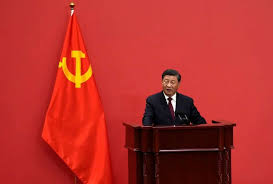
China will introduce a zero-tariff policy for nearly all African countries beginning May 1, President Xi Jinping announced on Saturday, February 14, according to state media.
Beijing has already removed tariffs on goods from 33 African nations and had earlier indicated the measure would be extended to all 53 African countries with which it maintains diplomatic relations. The only exception is Eswatini, which maintains diplomatic ties with Taiwan instead of Beijing.
China remains Africa’s largest trading partner and a key financier of major infrastructure developments across the continent under its expansive Belt and Road Initiative.
Under the new arrangement, eligible African nations will enjoy duty-free access to the Chinese market from May 1. Eswatini is excluded due to its diplomatic recognition of Taiwan, which China considers part of its territory and has not ruled out reclaiming by force.
The announcement comes as several African countries deepen trade cooperation with China and other global partners following sweeping tariffs imposed last year by US President Donald Trump.
Xi said the zero-tariff policy “will undoubtedly provide new opportunities for African development,” making the remarks as African leaders convened in Ethiopia for the annual African Union summit.
Meanwhile, China’s Foreign Minister Wang Yi cautioned the United States over Taiwan during comments at the Munich Security Conference in Germany. He warned Washington against what he described as attempts to “instigate and plot to split China through Taiwan,” saying such actions would cross Beijing’s red line.
“This could very likely lead to a confrontation between China and the United States,” Wang said, adding that while Beijing hopes for constructive engagement with Washington, it is prepared to address potential risks.
China claims Taiwan as part of its territory and has not ruled out the use of force to assert control. The United States remains Taiwan’s primary international backer and arms supplier, placing it at the center of any potential escalation.
Wang also touched on relations with Japan, which have been tense since Prime Minister Sanae Takaichi took office in October, urging Tokyo to guard against rising nationalist sentiments.