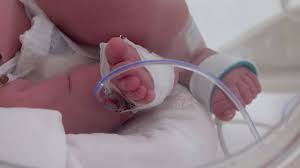
A new study has linked two chemicals commonly used to make plastics more flexible to nearly 2 million premature births and about 74,000 newborn deaths worldwide in 2018.
A baby is considered premature when born before 37 weeks of pregnancy. Health experts warn that those who survive early birth may experience serious complications, including breathing difficulties, developmental delays, and long-term health challenges.
The chemicals—di-2-ethylhexyl phthalate (DEHP) and diisononyl phthalate (DiNP)—are part of a group of synthetic substances known as phthalates. These compounds can interfere with the body’s hormone system, a process called endocrine disruption, and have been associated with developmental, reproductive, and immune-related issues.
Leonardo Trasande, a senior author of the study, noted that even minor disruptions in hormones can have significant biological effects.
Phthalates are often referred to as “everywhere chemicals” because they are widely found in everyday items such as food packaging, children’s toys, personal care products, and medical equipment. They are also present in products like perfumes, deodorants, nail polish, and plastic food wraps.
Previous research has connected phthalates to reproductive problems, reduced testosterone levels, obesity, asthma, cardiovascular disease, and cancer. A 2021 study also suggested they may contribute to thousands of premature deaths each year among middle-aged adults.
Scientists believe these chemicals may trigger preterm births by disrupting the function of the placenta, which is essential for delivering oxygen and nutrients to a developing fetus. Any impairment in its function can increase the risk of early labor.
The study, published in the journal eClinicalMedicine, analyzed data from 200 countries and territories. It found that regions such as Africa, the Middle East, and South Asia carry the highest burden, partly due to increasing plastic use and waste.
While the findings do not establish a direct cause-and-effect relationship, experts say they add to growing evidence that phthalates may pose serious health risks.
Although these chemicals leave the body relatively quickly, reducing exposure can still help. Experts advise choosing phthalate-free products, avoiding heating food in plastic containers, improving indoor ventilation, and cleaning regularly to reduce contaminated dust.
However, researchers emphasize that individual actions alone are not enough, calling for stronger regulations, safer product design, and better environmental oversight to limit widespread exposure.