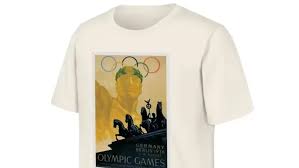
The Heritage Collection describes each edition of the Olympic Games as representing a unique moment in history when nations came together in celebration of humanity. However, critics contend that this portrayal downplays the political reality of the 1936 Berlin Games, staged just three and a half years after the Nazi regime rose to power in Germany.
Adolf Hitler used the event to showcase an image of a powerful and unified nation, advancing claims of Aryan supremacy while repressing dissent and discrimination domestically. Jewish athletes were largely barred from competing, hundreds of Roma residents in Berlin were detained, and overt antisemitic messaging was temporarily softened to avoid provoking international criticism.
Despite the regime’s efforts, African American track star Jesse Owens became the defining figure of the Games, capturing four gold medals and undermining Nazi racial propaganda on the global stage.
Christine Schmidt, co-director of the Wiener Holocaust Library, said the Olympics played a significant role in rehabilitating Nazi Germany’s international standing even as persecution of Jews and other minorities intensified. She questioned whether the artistic and design legacy of the 1936 Games can truly be separated from the crimes that followed.
Scott Saunders, chief executive of the International March of the Living, also condemned the move, arguing that the Berlin Olympics helped legitimize the Nazi government at a time when antisemitic policies were already in force. He cautioned that sporting events can be exploited to normalize exclusion and hatred when historical lessons are overlooked.
In response, the International Olympic Committee defended its Heritage Collection, stating that it commemorates 130 years of Olympic art and design and features merchandise from all previous Games. While acknowledging the complex history of the 1936 Olympics, the IOC noted that 4,483 athletes from 49 countries participated in 149 events, producing notable sporting achievements.
The committee added that the broader historical context of the Berlin Games is addressed at the Olympic Museum in Lausanne and explained that the limited production run of the 1936-themed T-shirts accounts for their current unavailability.