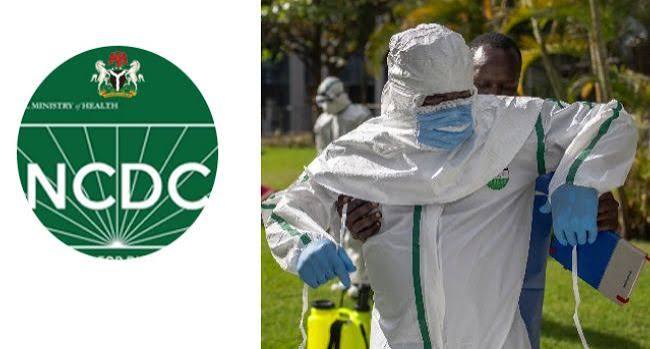
The NCDC Director-General, Dr Jide Idris, disclosed this at a news conference in Abuja on Friday, November 13, confirming that the last person on the contact list had been discharged after completing the monitoring period.
According to Idris, 13 of the 62 contacts developed fever or other symptoms while under observation but subsequently tested negative for Bundibugyo Virus Disease following laboratory investigations.
He added that seven other alerts reported across Adamawa, Rivers, Borno, Lagos and Ekiti states within three weeks were investigated, with all suspected cases returning negative results after laboratory assessments.
However, the NCDC chief cautioned that the successful completion of contact monitoring did not amount to an official declaration that Nigeria was free of the disease, stressing that continued surveillance remained critical.
He explained that such a declaration would depend on established public health criteria and findings from ongoing surveillance, particularly in view of continued Ebola transmission in the Democratic Republic of Congo.
Idris disclosed that Nigeria had sustained heightened surveillance activities, with the National Emergency Operations Centre activated and the Incident Management System operating at Level Three, the highest response level for Ebola.
He said the national response focused on clinical care, contact tracing, preventing further transmission, protecting healthcare workers and strengthening disease surveillance in affected and potentially exposed communities across the country.
Providing details of the outbreak, Idris said the index case was confirmed on October 20 in the Federal Capital Territory following an alert raised by healthcare workers through the NCDC’s event-based surveillance system.
He noted that the early notification enabled the NCDC, FCT health authorities and other relevant institutions to promptly launch investigations and establish an incident management structure to coordinate response activities.
According to him, contact tracing covered healthcare facilities, households and other relevant locations, while identified individuals were assessed based on their level of exposure and monitored in line with established public health protocols.
He added that infection prevention and control measures were strengthened in healthcare facilities, alongside training for healthcare workers and the provision of personal protective equipment and emergency response supplies.
Idris further said laboratory and surveillance teams investigated reported alerts, while public health officials engaged communities and healthcare facilities to encourage early detection and prompt reporting of suspected cases.
He said the agency also sustained public awareness campaigns to address concerns and misinformation, working with traditional and religious leaders, professional associations and community organisations to promote public cooperation.
On the index patient, the NCDC director-general disclosed that she was medically evacuated to Switzerland on October 26 for further treatment after receiving initial clinical care in Nigeria.
He said laboratory tests conducted upon her arrival in Switzerland initially confirmed that she remained positive for the disease. However, she subsequently recovered, tested negative and was discharged from hospital after treatment.