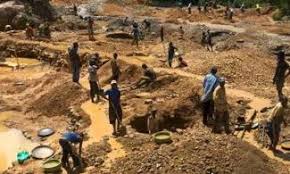
Five nationals from Burkina Faso were abducted by suspected armed bandits while working at a gold mining site near Arafa village in Maru Local Government Area of Zamfara State.
The incident occurred around 11:15 a.m. on Saturday, March 14, 2026, when a large group of bandits, reportedly hiding between Arafa and Gidan Dankande villages, attacked the mining site and forcibly took the workers to an unknown location.
Sources told security analyst Zagazola Makama that the heavily armed criminals quickly disappeared into the surrounding bush. By the time security personnel deployed from a nearby Operation FANSAN YAMMA base arrived, the abductors had vanished.
Authorities continue to track the bandits while working to secure the safe release of the foreign nationals, with security forces combing the area for intelligence on their whereabouts.
Zagazola highlighted how the incident underscores the dangerous link between illegal mining and armed banditry in Zamfara State. The region’s mineral wealth—including gold, copper, and lithium—has become a double-edged sword, attracting both legitimate investors and violent criminal networks seeking profit.
Local sources reveal that most bandit leaders in the area receive weekly “royalties” from miners, cementing their control over mining operations. Sites owned by influential or politically connected individuals are largely left untouched, while ordinary miners face extortion, coercion, and frequent attacks.
These payments go beyond simple protection money they fund the purchase of weapons, logistics for kidnappings, and recruitment of additional fighters. The abduction of the five foreign nationals reflects this criminal economy.
In 2019, the federal government imposed a ban on gold mining in Zamfara to curb illegal mining and banditry, followed by a no-fly zone two years later to prevent smuggling of minerals and arms. Yet the ban failed to reduce violence; insecurity-related deaths in Zamfara rose by 183% in the four years after its implementation.
The ban inadvertently strengthened bandits, as displaced farmers and artisanal miners were forced to operate under their control. Proceeds from illegal operations financed further attacks, kidnappings, and cross-border recruitment, bolstering the very criminal networks the policy sought to dismantle. Even after the federal government lifted the ban in December 2024, regulatory reforms have largely remained theoretical.
Economic realities compounded the challenge, as many local communities rely on artisanal mining for livelihood. The inability to enforce the ban left thousands of miners under bandit control, while mineral proceeds funded weapons, kidnappings, and recruitment. Foreign companies, particularly Chinese firms operating in the region, have reportedly maintained protection arrangements with armed groups through weekly payments.