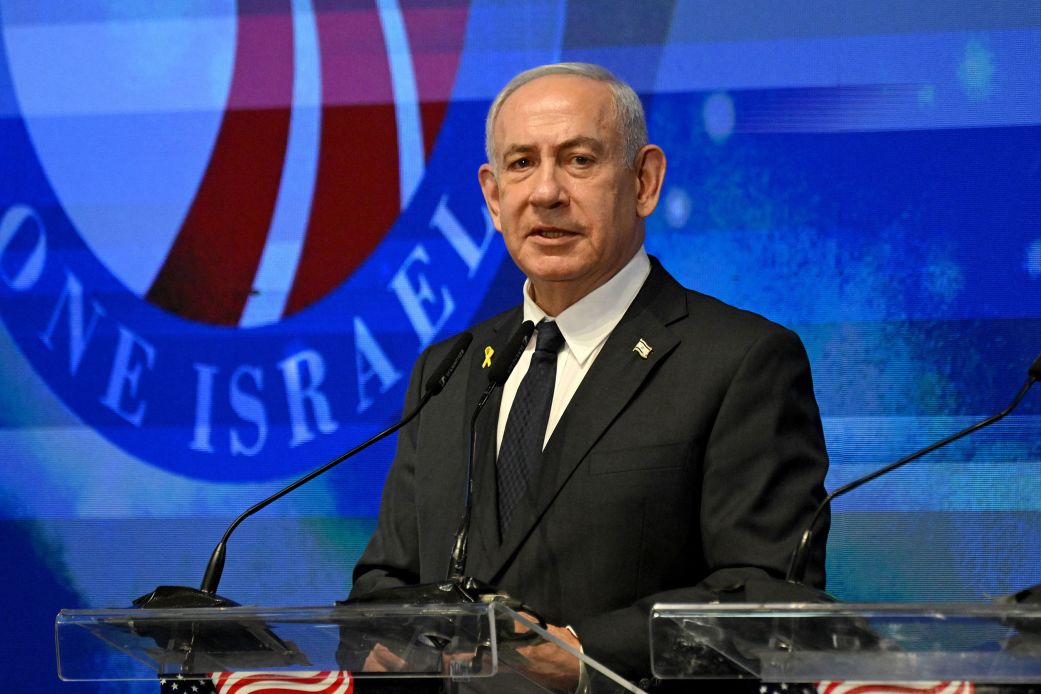
Israeli Prime Minister Benjamin Netanyahu acknowledged on Monday, September 15, that Israel is experiencing a “kind of isolation” on the world stage — a direct consequence of its ongoing military campaign in Gaza, now nearing its second year.
Speaking at a Finance Ministry conference, Netanyahu warned that the international backlash could persist for years, urging Israel to adapt both economically and militarily. He called for greater self-reliance, saying the Israeli economy must take on “autarkic characteristics” — a shift away from dependence on foreign trade. “It’s a word I hate,” Netanyahu said, referencing his history of supporting free-market reforms, “but the situation has changed.”
Netanyahu pointed to the defense sector as particularly vulnerable, citing growing restrictions on arms sales from European countries. In response, he called for expanding domestic weapons production. “We’ll need to develop our weapons industry — we’re going to be Athens and super Sparta combined,” he said. “We have no choice.”
His remarks marked a rare public admission of the diplomatic costs of Israel’s Gaza offensive. International criticism has mounted, with humanitarian groups, the UN, and Western governments warning that continued military escalation risks worsening civilian casualties and fueling accusations of genocide — allegations Israel strongly denies.
Several European nations, including France, Spain, the Netherlands, Italy, and the UK, have imposed or are considering arms embargoes. The U.S. remains Israel’s chief military supplier and has resisted such measures, although a Biden-era pause on bomb shipments was lifted under the Trump administration.
Domestically, Netanyahu faces growing dissent. Hostage families, some military figures, and opposition leaders have criticized the government’s approach, urging a shift in focus toward securing the hostages’ release and reducing global fallout. Protests in Tel Aviv over the weekend again demanded action on the hostage crisis.
Opposition leader Yair Lapid responded sharply to Netanyahu’s comments, posting on X: “Isolation is not fate; it is the result of Netanyahu’s flawed and failed policy.” Former military chief and potential political candidate Gadi Eisenkot warned, “There will be no second chance to repair the damage caused by him and his partners who abandoned the hostages and isolated Israel in the world.”
Netanyahu partly attributed Israel’s isolation to what he described as “an extreme Islamist agenda” influencing European policy and media narratives, amplified by rival states like Qatar through social media. He cautioned that economic sanctions and further arms restrictions could follow.
Despite these warnings, Netanyahu maintained that Israel’s economy is resilient, highlighting a rising stock market and falling inflation. “Investing in Israel is the smart thing to do,” he said, vowing to continue reducing reliance on “weak Western European leaders who surrender to extreme Muslim minorities in their countries.”
Finance Minister Bezalel Smotrich echoed Netanyahu’s message, praising Israel’s economic strength amid the conflict.
Earlier Monday, Netanyahu appeared alongside U.S. Secretary of State Marco Rubio, who reaffirmed Washington’s support for Israel and criticized countries — including France, Canada, and Australia — for moves to recognize Palestinian statehood ahead of the upcoming UN General Assembly.