 Amebo Nation
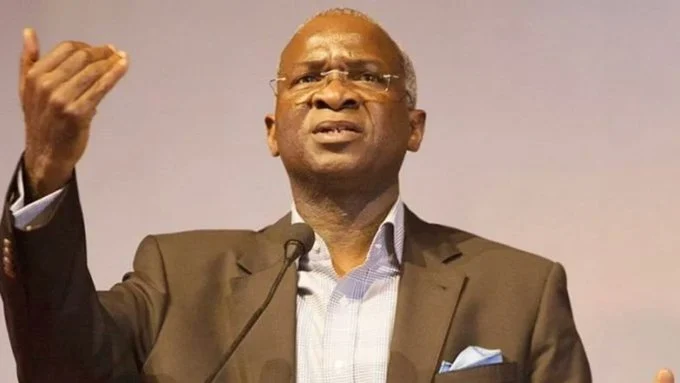
Former Vice President and African Democratic Congress (ADC) presidential candidate, Atiku Abubakar, has criticised former Lagos State Governor Babatunde Fashola over his claim that President Bola Tinubu never promised Nigerians 24-hour electricity.
The disagreement followed a recent media interview in which Fashola addressed a widely circulated campaign video showing Tinubu challenging Nigerians not to re-elect him if he failed to improve electricity supply and end estimated billing.
Fashola argued that the viral video had been taken out of context, insisting that Tinubu promised Nigerians “adequate” electricity rather than 24-hour power supply. He also urged citizens to give the current administration another term to complete its ongoing reforms in the power sector.
However, in a statement issued on Thursday, Atiku’s media adviser, Paul Ibe, rejected Fashola’s explanation, accusing the former minister of using semantics to deflect accountability instead of addressing the persistent challenges facing Nigeria’s power sector.
Ibe maintained that Tinubu had clearly linked his chances of securing a second term to delivering reliable electricity and ending estimated billing. He noted that small business owners, artisans and households continue to suffer from inadequate power supply.
“The APC cannot keep revising the meaning of its promises whenever delivery becomes inconvenient. You cannot supply excuses to the national grid. Mr President, a promise is a promise,” Ibe stated.
The ADC spokesperson also questioned Fashola’s record as Minister of Power, Works and Housing under the administration of former President Muhammadu Buhari, arguing that several unresolved challenges from that period continue to affect Nigerians.
Ibe further criticised reported plans by the Federal Government to install solar power infrastructure at the Presidential Villa while ordinary citizens remain dependent on an unreliable national grid.
He argued that public officials should not shield themselves from the infrastructure challenges confronting the wider population.