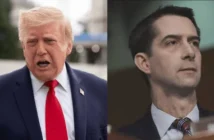
U.S. President Donald Trump is stepping back from direct involvement in Russia-Ukraine peace negotiations, administration officials have confirmed. This shift signals that a trilateral summit Trump had previously proposed will only take place after Russian President Vladimir Putin and Ukrainian President Volodymyr Zelenskyy hold a bilateral meeting.
Trump reportedly told advisers that he believes the two leaders should first meet independently before he hosts any joint discussions. “I just want to see what happens at the meeting,” he said in a recent radio interview, suggesting a “wait-and-see” approach.
The White House acknowledged that progress has been sluggish, with no confirmed date or venue for the proposed Putin-Zelenskyy meeting. Following recent discussions in Washington with Zelenskyy and several European leaders, Trump held a 40-minute call with Putin. Both sides reportedly agreed to appoint senior negotiators to pursue direct dialogue.
Security guarantees for Ukraine remain a major point of contention. While Trump has offered possible U.S. support in the form of intelligence-sharing and air surveillance, he has ruled out deploying American troops. Moscow, meanwhile, has expressed interest in participating in any future security arrangement—a proposal met with skepticism by U.S. officials.
Despite cautious optimism expressed by NATO Secretary General Mark Rutte, significant hurdles remain. Russia has previously rejected direct negotiations with Zelenskyy, and major disagreements persist over the nature and extent of U.S. involvement.
On Thursday, August 21, Trump stirred controversy by posting on Truth Social that Ukraine “can’t win without invading Russia.” That same day, Russian Foreign Minister Sergei Lavrov reiterated Moscow’s hardline stance, saying any peace proposals that deviate from terms discussed during the 2022 Istanbul talks are “hopeless.”
Russia and Ukraine engaged in peace talks between February and April 2022, during the early months of the war. At that time, Moscow proposed that Western nations be barred from providing assistance to Ukraine in the event of future attacks.
Lavrov doubled down on Russia’s position Thursday, calling the presence of European troops in Ukraine “absolutely unacceptable.”
“As the West’s discussions with the Ukrainian side show, all these plans are essentially aimed at providing guarantees through foreign military intervention on Ukrainian territory,” Lavrov said. “I hope those promoting such ideas either simply seek attention or understand that such plans are completely unacceptable to the Russian Federation and to all rational political forces in Europe.”
Moscow has also pushed for China, a key ally, to play a central role in any future security framework—an idea Ukraine flatly rejects.
“First, China did not help us stop this war from the start,” Zelenskyy said. “Second, China helped Russia by opening its drone market. We do not need guarantors who failed to support Ukraine when we truly needed it.”