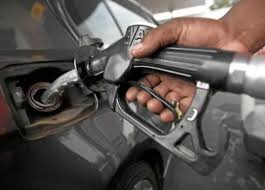
Amid persistently high petrol prices across Nigeria—despite the availability of domestic refining—management of Dangote Refinery has said the expected relief from local production is being undermined by global market pressures, particularly tensions in the Middle East.
Speaking in an interview on Arise Television, the refinery’s Managing Director, David Bird, explained that fuel pricing remains tied to international dynamics.
“On fuel pricing, the refinery is fully exposed to global market forces and operates without subsidies, making it vulnerable to fluctuations driven by geopolitical tensions,” he said. “We try to maintain some stability within a commercially viable range, but all our cost inputs—from crude to freight and insurance—are affected.”
A market survey showed that the recent drop in global crude oil prices has yet to reflect in domestic pump prices. This contrasts with the swift increases seen when crude prices previously rose.
As of yesterday, the nearly 20 percent hike in petrol prices recorded last week remains in place nationwide, with average pump prices hovering around N1,300 per litre.
Bird described the situation as part of a wider cost-of-living crisis, noting that energy costs ripple through all sectors of the economy. He added that even if geopolitical conflicts were resolved immediately, disruptions in global supply chains would linger for months.
Looking ahead, he urged Nigerian authorities to reassess broader structural and regulatory costs affecting the sector. According to him, government policy should go beyond crude pricing to address the overall cost of doing business, while also prioritising long-term strategies such as building strategic reserves.
Bird also raised concerns about the crude oil allocation system, saying it leaves the refinery under-supplied and forces reliance on imports. He explained that although the refinery submits its preferred crude grades, it often receives neither adequate volumes nor the specified types.
As a result, the refinery turns to the international market to source the same Nigerian crude grades it was unable to secure locally—often at a premium. Currently, he noted, the refinery pays more than $18 per barrel above benchmark prices for such crude.
He added that only about 30 to 35 percent of the refinery’s crude needs are met under the government’s “Crude for Naira” arrangement, and even then, at full international pricing without discounts or subsidies. Additional costs such as freight and insurance—both of which have risen sharply—further increase the overall expense.