The Federal Government has pledged $346 million in co-financing for HIV, tuberculosis, and malaria programmes in 2026, reinforcing efforts to improve Nigeria’s healthcare response.
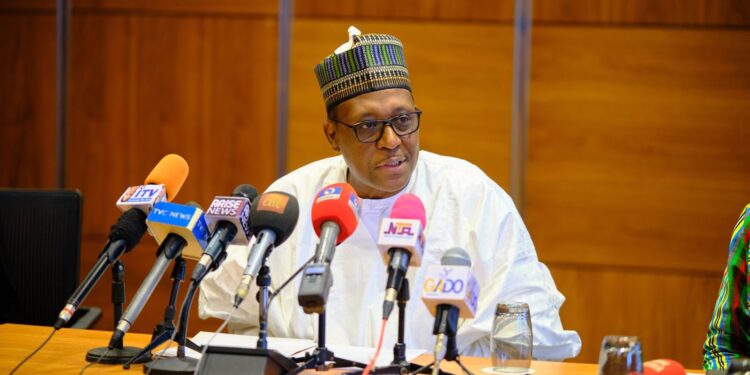
The announcement was made by Coordinating Minister of Health and Social Welfare, Muhammad Ali Pate, during the national rollout of Lenacapavir, a long-acting injectable used for HIV prevention, in Abuja.
Approved by President Bola Tinubu, the funding is set to be captured in the 2026 national budget.
Pate explained that the investment will cover critical areas including medical supplies, laboratory surveillance, reagents, expansion of primary healthcare services, and financial protection for citizens. He added that Nigeria aims to increasingly depend on domestic funding for key health programmes by 2030.
Meanwhile, Minister of State for Health, Iziaq Salako, revealed that 93% of people living with HIV are aware of their status, 99% of those diagnosed are on treatment, and 95% of individuals receiving treatment have achieved viral suppression.
He also noted significant progress in preventing mother-to-child transmission, which has improved from 33% in 2023 to nearly 70% in 2025.
Officials described the introduction of Lenacapavir as a major milestone, offering a more convenient prevention option, particularly for high-risk groups. Permanent Secretary Daju Kachollom added that the injectable marks a significant step forward in expanding HIV prevention choices.
The drug is already being rolled out in several states, including Anambra, Ebonyi, Gombe, Kwara, Akwa Ibom, Cross River, Benue, and the Federal Capital Territory.
However, health authorities cautioned that pregnant women are not yet eligible for the injection due to limited safety data. Lenacapavir is administered twice a year as pre-exposure prophylaxis, providing an alternative to daily oral HIV prevention pills.