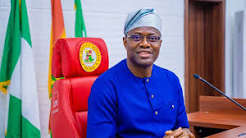
The presidential candidate of the Allied Peoples Movement (APM), Seyi Makinde, has said the outcome of the 2027 presidential election will be determined by Nigerians, rather than wealthy political backers or the amount of money spent on campaigns.
Makinde made the remarks on Monday, September 28, at the APM North-Central Zonal Town Hall Meeting in Lafia, Nasarawa State.
The Oyo State governor, who is campaigning on his “Reset Nigeria” agenda, said political influence, patronage and financial resources would not ultimately determine the outcome of the election.
“This election, the 2027 election, will not be determined by pundits and pollsters,” Makinde said.
“This election is not going to be determined by the number of billionaires you have in your corner, or how many billions you have to spend. This election will be determined by the people of Nigeria.”
Makinde also criticised the Federal Government’s handling of the economy, describing some of its policies as “voodoo economics.”
He acknowledged that state governments now receive higher allocations from the Federation Account but questioned whether the additional revenue had translated into improved living conditions or reduced hunger across the country.
Makinde said Oyo State’s dependence on federal allocations had fallen from more than 80 percent when he assumed office in 2019 to about 65 percent by 2022. However, he said the figure later climbed back to nearly 80 percent following the removal of the petrol subsidy.
“They claim we have more money, that the state governors, the state governments have been collecting more money from the Federation Account. I’m not arguing with that. Yes, the quantum of the money, yes, we have more money, but has it translated to fighting hunger in our society?
“The answer is no,” he said.
On national security, Makinde also questioned the planning and funding behind the Federal Government’s proposal to establish additional Army divisions.
He said his review of the 2026 national budget showed no specific allocation for establishing the proposed military formations. According to him, addressing insecurity requires comprehensive planning and adequate funding rather than what he described as ad-hoc announcements.