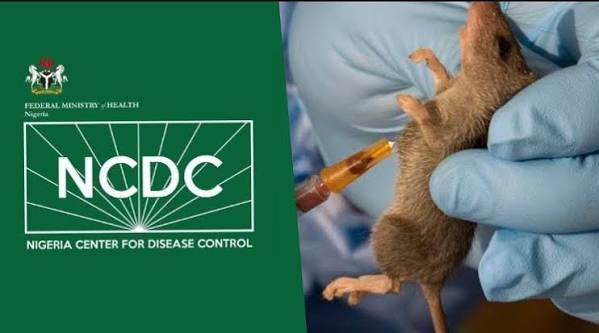
Nigeria has recorded 1,086 confirmed cases of Lassa fever and 259 deaths across 24 states and 118 Local Government Areas in 2026, according to the Nigeria Centre for Disease Control and Prevention (NCDC).
The figures were contained in the NCDC’s Lassa Fever Situation Report for epidemiological week 36, covering August 31 to September 6, 2026.
According to the report, 12 new confirmed cases were recorded during the week, down from the 18 cases reported in epidemiological week 35.
The new cases were recorded in Ondo, Edo and Kogi states.
The cumulative figures showed that 259 deaths had been recorded among the 1,086 confirmed cases, representing a Case Fatality Rate (CFR) of 23.9 per cent.
The CFR was higher than the 18.6 per cent recorded during the corresponding period in 2025, according to the NCDC.
The agency said 24 states had recorded at least one confirmed case across 118 LGAs, indicating that the disease continued to affect multiple parts of the country.
It added that 87 per cent of all confirmed Lassa fever cases recorded in 2026 came from Bauchi, Ondo, Taraba, Benue and Edo states.
“The predominant age group affected by Lassa fever remained people aged between 21 and 30 years, highlighting the continued impact of the disease among young adults,” the agency said.
The NCDC also reported that no new healthcare worker was infected during epidemiological week 36.
At the end of week 35, Nigeria had recorded 1,074 confirmed cases and 258 deaths, with a CFR of 24.0 per cent. The 18 new cases recorded during that week were reported in Ondo, Edo and Bauchi states.
The latest figures therefore represent an increase of 12 confirmed cases and one death compared with the previous reporting week, while the CFR declined slightly from 24.0 per cent to 23.9 per cent.
The NCDC said it would continue surveillance and response activities across affected states, including monitoring confirmed cases, deaths and infections among healthcare workers.
Lassa fever is an acute viral haemorrhagic illness endemic in Nigeria, with cases reported across multiple states. The agency said sustained surveillance remains important for early detection, timely response and the protection of healthcare workers and communities.
The NCDC urged continued vigilance and strengthened surveillance in states reporting confirmed infections as health authorities monitor the country’s Lassa fever situation.