A senior United States delegation has held talks with Cuban government officials in Havana as President Donald Trump’s administration ramps up pressure on the island nation to adopt sweeping reforms amid its deepening economic crisis.
The visit marks one of the highest-level engagements between both countries in nearly a decade and comes as Washington tightens economic restrictions, including limits on fuel supplies, while also hinting at possible military options.
US officials said the delegation warned Cuban authorities that time is running out to implement key reforms backed by Washington before conditions worsen further.
It is also the first time in years that a US government aircraft has landed in Cuba outside the Guantanamo Bay base, a development not seen since the diplomatic thaw during the Obama administration in 2016.
During the talks, the US delegation pushed for significant economic and political changes, including policies to boost private-sector growth, attract foreign investment, and improve competitiveness.
Discussions also covered proposals to introduce Starlink internet services in Cuba, as well as compensation claims for US citizens and companies whose assets were previously nationalised.
Human rights issues were raised, with US officials calling for the release of political prisoners and expanded political freedoms.
Washington also expressed concern over alleged foreign intelligence and military activities in Cuba, given its proximity to US territory.
A State Department official disclosed that a senior US envoy separately met with a relative of former Cuban leader Raúl Castro during the visit.
Cuban authorities confirmed the meeting, describing it as “respectful and professional,” while maintaining that lifting what they termed an “energy blockade” remains a top priority.
The increased economic pressure has worsened Cuba’s ongoing crisis, with widespread shortages and fuel constraints disrupting daily life.
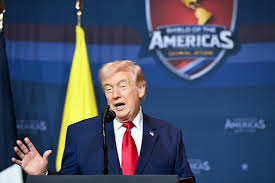
Meanwhile, President Trump has continued to suggest the possibility of military action, linking his stance to broader regional security concerns.
In response, Cuban President Miguel Díaz-Canel rejected the pressure, vowing that Cuba would resist any form of military intervention and reaffirming commitment to its political system.
The standoff continues to raise tensions between Washington and Havana as diplomatic engagement and coercive pressure unfold simultaneously.