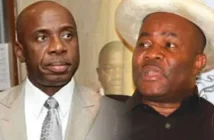
The Director General of the National Institute of Sports (NIS), Phillip Shaibu, has accused the Federal Government of repeatedly sidelining the institute in national sports funding, despite what he described as unprecedented budgetary allocations to the sector in recent years.
Shaibu made the claim on Monday, January 5, during an appearance on Sunrise Daily. He noted that although sports funding under President Bola Tinubu’s administration is the highest the sector has ever received, the NIS has continued to be excluded.
According to him, the most recent sports budget was the largest in Nigeria’s history, yet the institute was not included—a situation he said has persisted for decades. Shaibu described the exclusion as deliberate, blaming past sports ministers and the current budgeting framework for the steady decline of the NIS.
He called on the National Assembly to summon former ministers of sports to account for their roles, arguing that the existing budget structure prioritizes consumption over infrastructure development and maintenance.
Shaibu further criticized Nigeria’s sports administration model, saying government involvement should focus on building infrastructure rather than managing day-to-day sports activities. He stressed that proper infrastructure would enable private sector participation and long-term growth.
The NIS boss revealed that when he assumed office about five months ago, he met an institute that had existed for 51 years without a clear development plan. He said a roadmap had to be created from scratch, with funding challenges forcing the institute to seek private sector partnerships.
He added that frustration with Nigeria’s inconsistent sports performances had previously discouraged private investment, but interest is now growing as stakeholders seek sustainable solutions.
Despite inheriting what he described as a very limited budget, Shaibu said the institute has been able to launch key programmes through public-private partnerships. He also disclosed that the NIS Abuja office, which had been inactive for decades, was revived without direct government funding.
According to him, the office recently hosted its first three-month coaching programme in 30 years, graduating participants on December 18, and has been fully renovated to a standard comparable with any office in the country.
Shaibu warned that Nigeria’s sports performance would continue to fluctuate unless the NIS is properly funded and fully operational, describing the institute as the backbone of the country’s sports ecosystem responsible for training athletes, coaches, and officials.