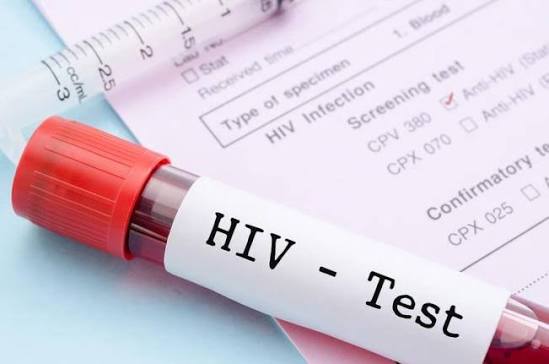
Fiji has declared a national health emergency following a sharp increase in HIV infections, with health authorities warning of an escalating epidemic linked in part to rising injectable drug use.
Fiji’s Minister for Health and Medical Services, Dr Ratu Atonio Lalabalavu, announced the declaration in a statement on social media, saying the situation had moved beyond what could be addressed through an outbreak-level response.
“Today I am formally declaring a national health emergency in Fiji,” Lalabalavu said, adding that the decision reflected the seriousness of the epidemic and the need for an urgent, coordinated national response.
The minister said government estimates indicate that about one in 60 adults in Fiji is now living with HIV, compared with one in 167 five years ago.
He added that 2,060 new HIV diagnoses were recorded in 2025, while approximately one in 50 pregnant women is living with the virus.
The emergency declaration followed a Cabinet decision made on September 9 and is expected to trigger a coordinated response involving multiple sectors.
Fiji, a Pacific island nation with a population of fewer than one million people, is experiencing one of the sharpest increases in new HIV infections globally. According to UNAIDS, new infections in the country increased 12-fold between 2010 and 2025.
As part of its response, the government plans to introduce a syringe and needle programme to help reduce HIV transmission associated with injectable drug use.
Lalabalavu said Fiji already has adequate supplies of syringes and needles, while legislative amendments will be introduced in Parliament to enable the programme to be implemented.
The minister also urged people to get tested and encouraged those living with HIV to seek treatment, stressing that stigma should not prevent people from accessing healthcare.
According to UNAIDS, an estimated 9,100 people were living with HIV in Fiji in 2025, but only 39% knew their status and 22% were accessing antiretroviral treatment.
Jason Mitchell, who leads Fiji’s national HIV response taskforce, said the country could need more than five years to bring the epidemic under control, describing the response as a long-term effort rather than a short-term crisis.