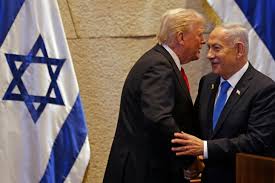
Benjamin Netanyahu reportedly pressed Donald Trump to delay possible military strikes on Iran during a tense, last-minute phone call, as preparations for a broader regional conflict rapidly intensified, according to The New York Times.
With diplomatic personnel being evacuated from Tehran and Iranian airspace reportedly cleared, an attack appeared imminent before Netanyahu urged Trump to pause, giving Israel more time to prepare for potential retaliation. Shortly afterward, Trump publicly claimed he had received intelligence from “very important sources on the other side” indicating that Iran had stopped executing dissidents. “We were told that the killing in Iran is stopping, and there’s no plan for executions,” Trump said. “There’s no plan for executions or an execution. I’ve been told that on good authority. We’ll find out about it. I’m sure if it happens, I’ll be very upset.”
On Thursday, January 15, the White House stated that approximately 800 executions in Iran had been halted and said Trump was “closely monitoring the situation.” In a phone interview with NBC News, Trump claimed, “We saved a lot of lives yesterday.” Soon after, Iran’s Foreign Minister Abbas Araghchi told Fox News there were no plans for the “hanging” of protesters.
Several regional governments—including Qatar, Saudi Arabia, Oman, and Egypt—reportedly warned Washington against striking Iran, cautioning that such an action could trigger a wider Middle East conflict.
At the same time, Iran continues to grapple with widespread anti-government protests and mounting international criticism over its crackdown. The government has shut down nationwide internet access, and two Iranian officials told The New York Times that at least 3,000 people had been killed during the unrest. Mahmood Amiry-Moghaddam, director of Iran Human Rights, described “horrifying eyewitness accounts” of protesters being shot while fleeing, the use of military-grade weapons, and wounded demonstrators being executed in the streets—evidence, he said, of a coordinated campaign of mass civilian killings.
He added that Supreme Leader Ali Khamenei and institutions operating under his authority had committed “one of the gravest crimes of our time,” urging the international community to intervene immediately to stop the violence and assist the Iranian people.
Amid the turmoil, attention focused on Erfan Soltani, a 26-year-old shopkeeper detained during demonstrations and believed to be at imminent risk of execution. Soltani was thought to be the first protester facing capital punishment since the latest unrest began, prompting urgent appeals from his family. Iranian state media later reported that the charges against him—“colluding against internal security and propaganda against the regime”—do not carry the death penalty if upheld in court.