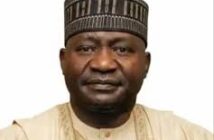
The Minister of State for Health, Dr. Iziaq Salako, expressed confidence that the mass exodus of healthcare professionals, known as the “japa syndrome,” will soon decrease.
During a visit to the University of Benin Teaching Hospital (UBTH) on Monday, Salako attributed his optimism to the targeted reforms and policies introduced by President Bola Tinubu’s administration, aimed at revitalizing the health sector.
“Health workers in Nigeria are among the best-paid professionals given the country’s economic situation,” Salako noted, adding, “However, beyond salary increases, we must foster a deeper sense of commitment and passion for the profession.”
He stressed that simply raising doctors’ salaries wouldn’t solve the sector’s challenges. “If we raise doctors’ pay, other professionals, like teachers, will also demand higher wages,” he pointed out.
Salako urged healthcare professionals to embrace patriotism and consider the long-term advantages of staying in Nigeria. “East or West, home is best. No matter where you go outside the country, you remain a second-class citizen,” he emphasized.
While acknowledging the challenges faced by tertiary hospitals, particularly with power supply, Salako praised UBTH for its innovative solutions to the issue. He also assured that the government would increase funding for public hospitals, stating, “Health is the essence of life, and adequate funding is critical to tackling the sector’s challenges.”
The minister also linked the “japa syndrome” to broader economic issues, asserting that it would require a multifaceted approach. “With the current policies, especially those focused on capacity building, the situation will improve soon,” he said.
Prof. Darlington Obaseki, Chief Medical Director of UBTH, highlighted the severe staffing shortages at the hospital, despite its reputation for providing affordable, high-quality care. “We currently have more than 500 patients but only 750 nurses working across three shifts. This is barely enough to cover the clinics, theatres, and inpatient care. We also have about 250 consultants and fewer than 300 resident doctors,” Obaseki explained.
He called on the government to urgently address the shortage of healthcare workers to ensure continued quality service delivery.