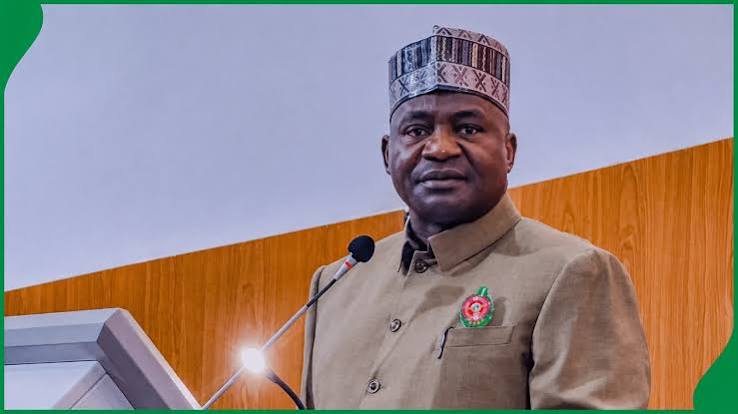
Minister of Defence, Gen. Christopher Musa (retd.), has proposed mandatory military training for Nigerians, saying such exposure would help citizens better understand the sacrifices and challenges faced by members of the armed forces.
Musa made the proposal during an appearance on the African Leadership Podcast with Ken Giami, released on Monday.
According to the minister, military training would expose civilians to some of the physical and mental demands of military service, including hunger, exhaustion, sleep deprivation and long-distance movement under difficult conditions.
“Every Nigerian should be able to go through military training. It will give you a different perspective about life,” Musa said.
He explained that experiencing such conditions could help Nigerians appreciate why soldiers are sometimes required to endure harsh circumstances for prolonged periods while carrying out security operations.
“It will show you what endurance means when you walk kilometres and you are tired but you still need to keep on going,” he added.
The former Chief of Defence Staff also highlighted the personal sacrifices made by troops in the course of protecting the country, including the risk to their lives.
Musa urged Nigerians to consider the human cost of military operations when assessing the performance of security personnel.
He noted that soldiers also have families and often leave their loved ones behind when deployed to troubled areas, where they may spend extended periods facing harsh weather and other operational challenges.
According to him, this reality should be considered when members of the public criticise troops or question the continued deployment of the military to conflict-affected areas.
“Everybody wants peace, and that is important,” he said, stressing that troops were working to create the conditions necessary for citizens to live safely.
The minister also addressed Nigeria’s border-security challenges, attributing part of the increased infiltration to developments in the Sahel region following the withdrawal of Niger, Burkina Faso and Mali from the Economic Community of West African States (ECOWAS).
He said Nigeria was responding by strengthening security cooperation with neighbouring countries, including Cameroon, particularly to improve the protection of the country’s southern borders.
Musa’s comments come as Nigeria continues to rely on military deployments and regional security cooperation to address security threats along its borders and in other parts of the country.